 Login
Login
Anh Doesn't Get It
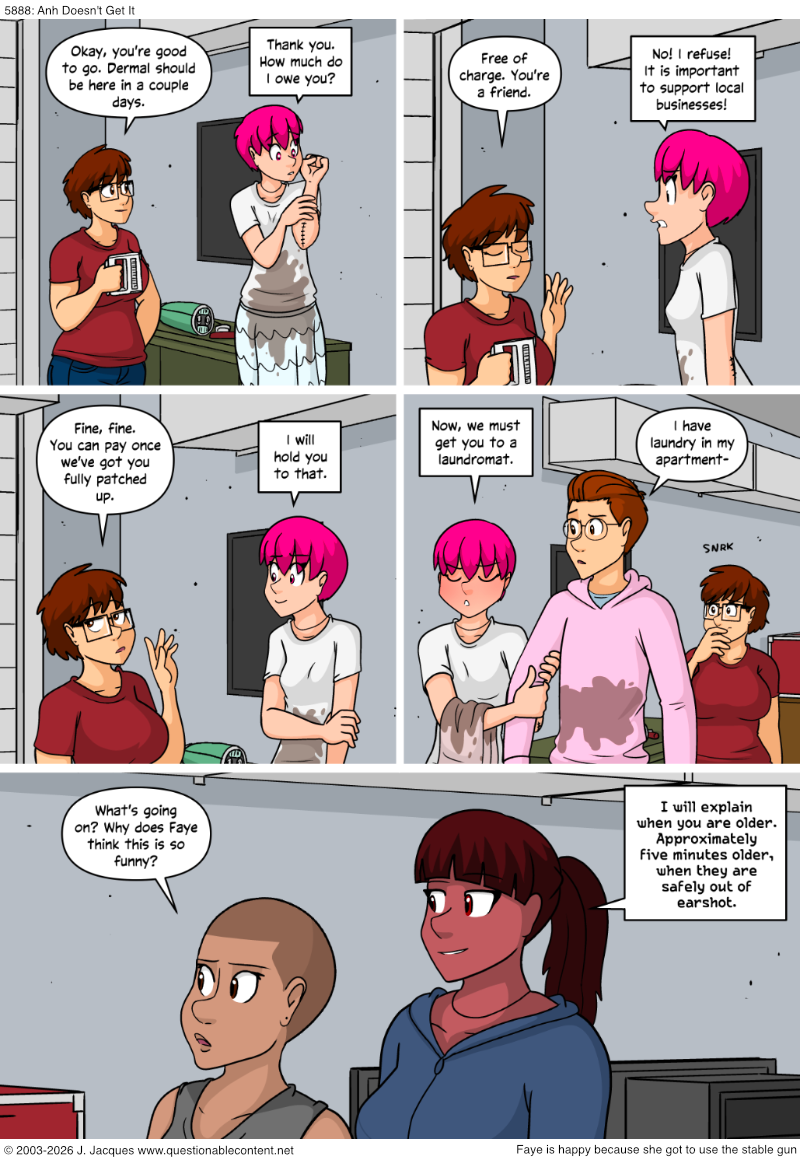
she doesn't get it

she doesn't get it


Read more of this story at Slashdot.
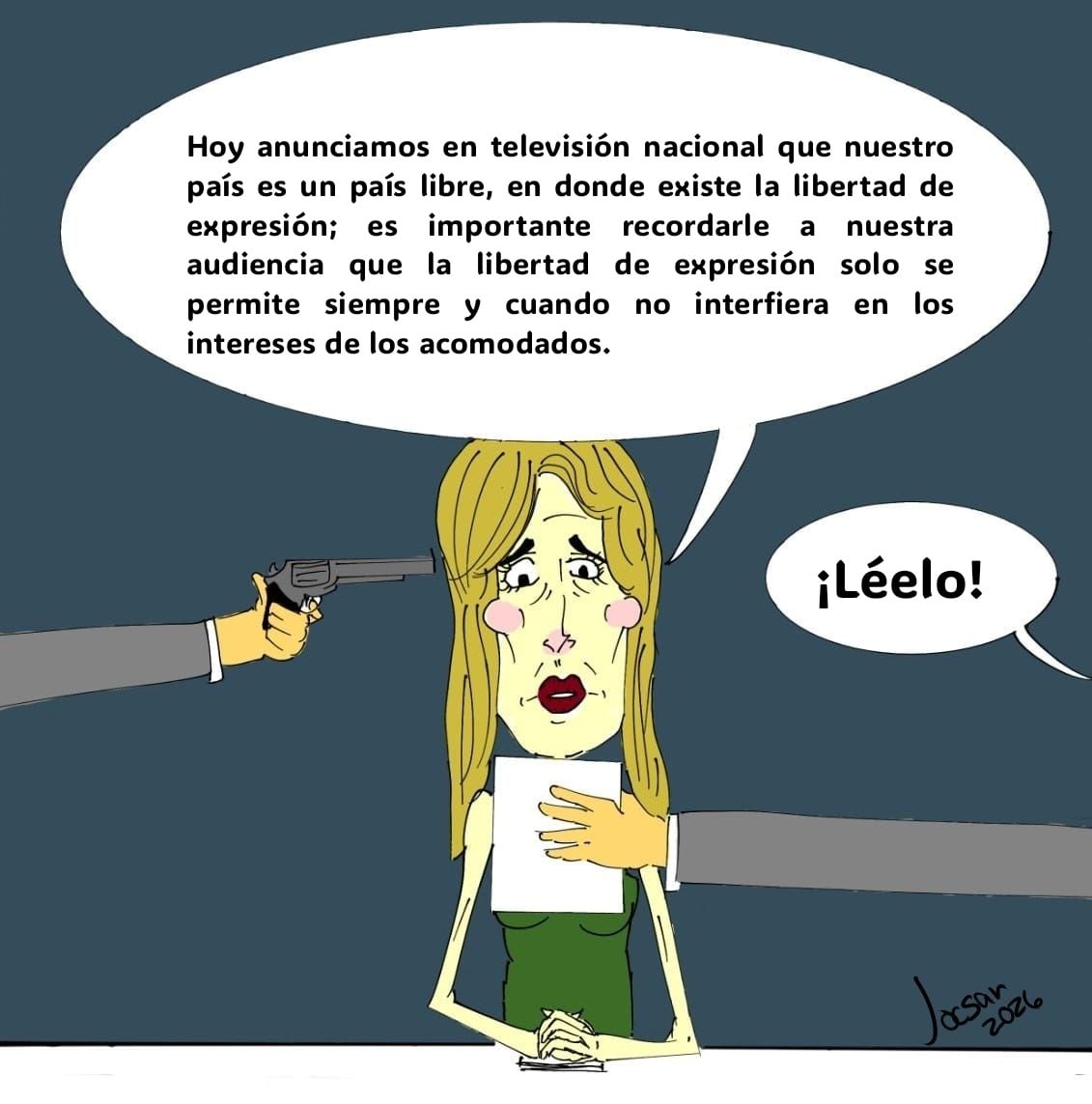
La libertad de expresión vive un momento extraordinario. Nunca fue tan fácil decir lo que uno piensa. Lo curioso es que tampoco nunca fue tan difícil aceptar que los demás hagan exactamente lo mismo.
Existe una curiosa especie de demócrata de tiempo parcial. Defiende con entusiasmo el derecho a opinar… siempre que nadie cometa la imprudencia de opinar sobre su opinión. Para ellos, el desacuerdo no forma parte del debate; es una insolencia. La réplica no es una respuesta; es una ofensa. Y el silencio ajeno, por supuesto, siempre confirma que tenían razón.
Su lógica merece un museo.
Si respondes, te dolió.
Si no respondes, te quedaste sin argumentos.
Si preguntas, eres conflictivo.
Si explicas, eres arrogante.
Si ironizas, eres soberbio.
Y si decides seguir con tu vida… acabas de perder por abandono.
Es un reglamento admirable. Las reglas cambian cuando hace falta, pero el resultado nunca sorprende. Tiene una ventaja difícil de igualar: el árbitro, el jugador y el campeón suelen ser la misma persona.
Internet democratizó la opinión, y eso fue una gran noticia. Lo que nadie advirtió fue que también democratizaría la certeza absoluta. Hoy abundan personas que no buscan contrastar ideas; buscan confirmar que jamás tendrán que revisar las propias. Confunden el desacuerdo con la falta de respeto y la respuesta con la agresión.
Hay un personaje que nunca falta en esta historia. Es el que anuncia con solemnidad:
—No volveré a leerla.
Siempre imagino que espera una reacción dramática. Tal vez una llamada urgente preguntándole cómo sobrevivirá la literatura sin su presencia. Sin embargo, la realidad tiene bastante menos vocación de drama. El siguiente artículo se publica. El café sigue caliente. El mundo continúa con una indiferencia casi ofensiva.
Y, curiosamente, muchos regresan.
Al parecer, algunos “nunca más” duran exactamente hasta la siguiente publicación.
Existe otra teoría fascinante: si un escritor responde un comentario, está desesperado. Si no responde, fue derrotado intelectualmente. Nunca contemplan una tercera posibilidad: que simplemente tenga una vida.
Trabaja. Lee. Comparte con su familia. Sale a caminar. Escribe otro artículo. O, sencillamente, decide no invertir horas en una discusión que dejó de ser un intercambio de ideas para convertirse en un concurso de egos.
Hay personas convencidas de que un comentario suyo puede cambiarte el día, la carrera o el prestigio. Debe de ser agotador vivir creyéndose tan importante en la vida de un desconocido. La realidad suele ser mucho más discreta. Mientras algunos celebran una supuesta victoria, el destinatario del comentario ya está pensando en el próximo proyecto, en el supermercado o en qué cocinar para la cena.
Es difícil provocar un terremoto cuando apenas logras mover una notificación.
Lo verdaderamente revelador aparece cuando se terminan las razones. Entonces entra en escena el recurso favorito de quienes ya no tienen argumentos:
Los adjetivos.
Porque responder una idea exige esfuerzo. Descalificar a quien la expresa apenas requiere mal humor. Es mucho más sencillo etiquetar a una persona que desmontar un razonamiento.
Con el tiempo descubrí algo que internet rara vez enseña: no toda conversación merece convertirse en una discusión, y no toda discusión merece una respuesta. No por falta de argumentos, sino por exceso de experiencia.
Hay conversaciones que iluminan.
Otras solo consumen batería.
El tiempo también argumenta, aunque lo haga sin levantar la voz.
Escribo porque disfruto escribir. Porque ordenar ideas me resulta más interesante que coleccionar discusiones. No escribo para gustarle a todo el mundo; eso sería tan imposible como pretender que todos disfruten el mismo libro, la misma canción o el mismo café.
Quien se queda, bienvenido.
Quien se va, buen viaje.
Y quien regresa después de anunciar que jamás volvería… también encontrará la puerta abierta.
Al final entendí que escribir nunca fue un concurso de popularidad. Es un ejercicio de libertad. La libertad de pensar, de disentir y, sobre todo, de elegir qué conversaciones merecen nuestro tiempo.
Hay comentarios que buscan comprender.
Otros solo buscan tener la última palabra.
Aprender a distinguirlos también forma parte del oficio de vivir.
Porque el ego convierte cualquier desacuerdo en una ofensa; la inteligencia, en cambio, lo convierte en una pregunta.
Las opiniones cambian.
Los comentarios se olvidan.
El carácter permanece.
Y quizá la mayor victoria no consista en tener siempre la última palabra, sino en conservar la serenidad mientras otros siguen convencidos de que un comentario puede detener la vida de alguien que, hace mucho, decidió seguir caminando.
La autora es profesora de filosofía.
Read more of this story at Slashdot.
I love WordPress, it's powerful and versatile. But I think its biggest flaw is cosmetic: the dashboard overwhelms casual users because it doesn't prioritize the features people actually use.
Even recent updates have improved things under the hood without fixing the layout itself.
So for this plugin, I redesigned the layout inspired by platforms like Medium and Substack, around what I believe people use 90% of the time.
Posting-related actions are front and center; everything else is secondary. Inside the editor itself, the same logic applies: category, featured image, and content are what you see first. It's entirely cosmetic, you can switch back and forth between dashboard with a click.
I would imagine some of my choices here are controversial, and I welcome other people's take. But I believe we need to be more opinioned about what shows up where in the WordPress dashboard, and that's the main point I wanted to make here.
Here's the github link if you want to take a look, play around, or improve on it. (I had to add Promo to my post title but I am not actually promoting anything paid, just to be clear)
Read more of this story at Slashdot.
Read more of this story at Slashdot.
i started a new sales job where we are just using excel sheets. i have adhd and this system is not organized enough for me. i wish sales force and sales loft sold to individuals. any advice??
i need something easy that tells me when i am to follow up with someone. i also want to be able to see the last time i spoke with someone & the notes. i want to be able to search in my list of contacts by organization type. i want to be able to easily be able to pull a list of prospects i can call. it would be super amazing if somehow i could use a system that also creates lists for me and pull prospects in (ik prob not likely) as i am starting fresh with 0 customers.
also i go door to door sometimes so bonus points if there’s anything that can help me with tracking/ planning that
i don’t need to be able to send calls or emails or even keep track of deals. simply just need help organizing my prospects and leads
pls help im trying to not rip my hair out
I’m in the middle of building a pretty robust CRM. We have virtually no CRM that exists right now and any one that we have tried in the past off-line or with consultants just wouldn’t meet our business needs and they didn’t know how to extend to it.
We don’t necessarily have stocked inventory of what we sell because a large portion of what we sell is used equipment. Some of it is on consignment and then some of it is owned. And the inventory is ever changing because of that.
I’ve spent about 150 hours talking with chatgpt and building it on visual code. I have no prior experience with coding outside of engineering school (and that was dated coding for mechanical type systems). However, I have a pretty well built CRM right now that meets our needs.
My only concern at this point is how to hook it into our website and all of the privacy measures I need to take for it so that it can’t be hacked. I’ve created authentication and logins, but I don’t think that meets the bill of needs. Is privacy and security something that you can create yourself or do you need to outsource for that? I really have no idea what I’m talking about on this level except my research into it.
What all should I consider on this front?
Read more of this story at Slashdot.
Read more of this story at Slashdot.
Read more of this story at Slashdot.
 | I was starting to feel weighed down by token and cost anxiety, but everything shifted when OpenAI cut the price of GPT 5.6 Luna by 80%. This dramatic drop in cost per token completely transformed how I choose and use models for Drupal development. [link] [comments] |
As always, I went through the first 8 freshly featured plugins from WordPress.org of August. Here are my 2 cents.
Meow Mailer (4.9/5)
SMTP plugin and mail logger, does exactly what it says.
I liked the background send option, failure alerts, and being able to resend an email straight from the log.
The dashboard button naming is a bit confusing, and plain text emails have no line breaks in the log. Other than that, another great plugin from Meow.
DineKit (4.8/5)
Restaurant menu, online ordering, table reservations, and POS all in one plugin.
Packed with many great features, nice on-boarding, and the QR code generator and menu builder left a good impression.
Autosave got a little annoying for me personally, and it's 100% free with no pro version in sight, which honestly makes me a bit nervous about how long it'll get maintained.
ITBoffins Live Opening Hours Banner & Table (4.6/5)
Shows you the opening hours on the site.
Simple, intuitive, and the live preview while you set it up is a nice.
No styling options at all, and it could display the time of the WordPress to avoid confusion when you are dealing with different timezones
All in all, simple and solid.
RobArt Text Collector (4.5/5)
Let's you collect, organize, and reuse text snippets on your site.
Easy to use, and works in the front- and backend activate it, and I was surprised to see the AI co-authorship disclosure, you don't see that often.
The dashboard is way too busy though, tons of over-explanation, and you can't edit folders directly from the menu in the backend.
For me personally, not very useful, since I do not often reuse text, but for some people, this can be great.
FrontEdit (4.3/5)
Live frontend editor for WordPress.
The edit and preview toggle is nice and the commenting function is a cool touch.
The Free version's menu is basically useless since almost everything is locked behind pro.
After two disappointing attempts from last month, it was nice to see, that it can be done right, although I still do not see the appeal.
ShareMyPost (4.0/5)
Adds social share buttons to your posts and pages.
Just works out of the box, icons are easy to reorganize, and the developer support with filters and actions is great.
Can't customize the width of the container, and contrast on some icons like Tumblr and Snapchat is really bad. You can add the icons before or after the content. I think it is nicer to have the option to place those freely with a block, therefore, I'll pass.
LC Lightbox Lite (3.6/5)
A lightweight lightbox plugin for your images.
Animations are snappy and it's easy to use.
A bunch of options just don't work, like gradients and text display, and it feels pretty unpolished overall.There are way better options and in its current state, it is not a good advertisement for the Gallery Plugin it suppose to promote.
Direct Invoices (3.1/5)
Invoicing and payment requests built for WordPress.
Nice on-boarding and WooCommerce isn't required.
Missing a city field, dates don't save properly, and it feels most likely AI generated and under tested. Good concept, but it needs more work.
See the full breakdown with screen recordings on YT:
https://youtu.be/Ljw5-cWYIt0?si=4zPN02199zjQJomO
What do you think about this selection? Will you install any of those?
Hey, I’ve been building on WordPress since 2006, professionally since 2011. 6 years running my own (profitable) theme and plugin shop, four years as a vetted contractor, and a few as as a senior engineer at an agencies in US & Europe. I’ve worked with hundreds of corporate clients over that time, mostly ecommerce, NGOs, government and SMEs, which is where I specialise. Several plugins on wp.org, around ten themes (most now outdated), and I contribute to core.
2022-2024 I had multiple contracts running at once, earning roughly what an L5 to L6 engineer at a big tech company makes. I was turning work away, with extremely happy clients.
I’ve been looking for 8 months. Somewhere north of 100 applications sent, 2 responses.
I’m not posting to complain and I’m aware these posts usually have an obvious answer the poster can’t see. I’d like to know if others are seeing the same thing.
Three observations:
Remote mostly isn’t. I’m in Nairobi. Most postings say “Remote” and mean “remote inside the US,” and many don’t say so they just ignore you, I’ve had not more than 10 responses, mostly automated.
The mid-market thinned out. Plenty at the top and plenty of fixed-price template work at the bottom, increasingly with AI-generated listings. Agencies hiring salaried senior engineers feels much smaller than three years ago.
It isn’t only WordPress. I also work with startups using Next.js and Laravel, and it’s the same story there. So I don’t think this is a WordPress problem, or at least not only one. Something has changed in how companies hire developers generally, and I can’t tell what.
For what it’s worth, I still have hope for WordPress. It has paid my bills for over a decade, it’s still the best CMS for the clients I serve, and I’m not leaving until the last lights are off. I’d just like to know whether anyone is still hiring people to build on it properly.
Happy to hear it if I’m doing something obviously wrong.

